Market
Mid-October 2026 Lake Update: Winter Outlook, Drought, and the Buyer's Window
Noah Goedker · October 16, 2026

This is the mid-October 2026 update for anyone shopping Minnesota lake homes, written October 16, 2026. It covers the two releases that landed October 15, NOAA's official 2026-27 winter outlook and the U.S. Drought Monitor's latest Minnesota map, plus where the Brainerd Lakes market and the fall shoreline season stand right now. Every figure below is sourced so you can check it yourself; none of it is a forecast dressed up as a fact.
$814K
Avg statewide waterfront asking, early Aug
397
Active lake listings, Crow Wing Co.
~74
Days on market, Brainerd area
54%
Odds of a warmer-than-normal Twin Cities winter
The winter outlook: warm is the lean
NOAA's Climate Prediction Center released the official 2026-27 U.S. winter outlook on Thursday, October 15. The dominant driver is a strong- to-very-strong El Nino that is likely to persist through January-March 2027, with greater than an 83 percent chance it holds, and the outlook favors warmer-than-average temperatures across the northern tier, including most of Minnesota. For the Twin Cities, the National Weather Service put the odds at 54 percent for an above-normal-temperature winter, 33 percent near normal, and only 13 percent colder than normal; no part of the United States is forecast to be colder than normal.
Precipitation is the honest wild card. The national outlook tilts toward a drier winter across parts of the northern tier, including Minnesota, but the National Weather Service's La Crosse office left precipitation at equal chances and noted that most strong and very strong El Nino winters since 1949-50 have ranked among the wettest third of winters. What buyers can plan around: a warmer winter does not mean a snowless one, but it does lean the expectation toward a milder, later-freezing season, consistent with the trend of Minnesota lakes icing in about nine days later on average than in 1967.
The water: drought unchanged into mid-October
The U.S. Drought Monitor map released October 15, with data valid October 13, shows Minnesota's drought essentially unchanged week over week: roughly 17 percent of the state abnormally dry, 36 percent in moderate drought, 25 percent in severe drought, and 3 percent in extreme drought, with about 20 percent drought-free. The national summary said Midwest drought generally persisted or worsened, with only localized rainfall across parts of Minnesota and its neighbors, amounts the State Climatology Office says are not enough to support improvement.
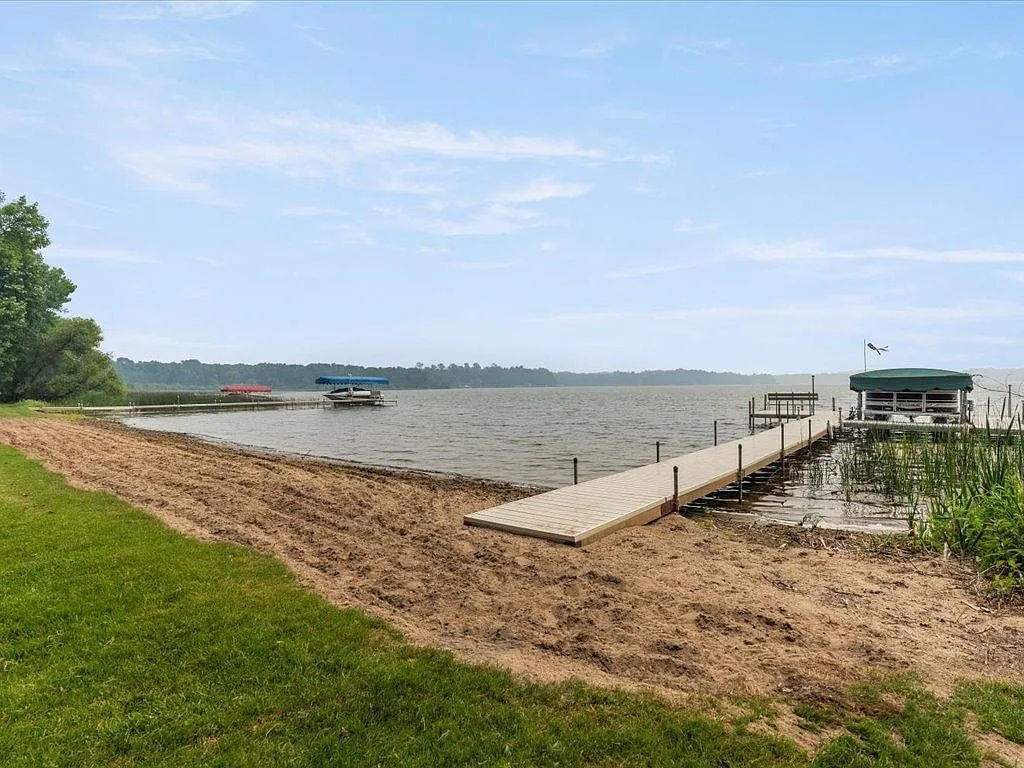
North-central Minnesota, where 16138 Zigmund Dr sits, is still in a multi-year storage drought. The DNR's August notice put the region roughly 12 to 16 inches below normal precipitation over the past four years, and State Climatologist Luigi Romolo has said it would take months, possibly years, of far-above-normal precipitation to restore lake levels, soil moisture, and groundwater. For a buyer this is a season to walk the shoreline at the true low line, which is exactly what the level, sandy frontage at 16138 Zigmund Dr shows off best: it stays usable in a dry year.
The fall shoreline window is now
Peak color has passed for the lakes area. The Brainerd Dispatch reported October 15 that fall color is still showing but leaves continue to fall and temperatures are turning cooler, and the dry summer brought an earlier-than-normal start to the season. For buyers, the leaf drop opens the best shoreline-reading window of the year: with the trees bare, you can see the lot lines, the true waterline, and the shape of the shore without foliage in the way. Cass County began removing navigational buoys starting October 12, the seasonal cue that dock, lift, and buoy removal is underway ahead of freeze-up, which for Brainerd-area lakes typically arrives between late November and mid-December.
The market: balanced, with waterfront still firm
The freshest published market picture reads balanced. Statewide, Minnesota waterfront inventory sat near 540 listings with an average asking price around $814,000 in early August, per LakePlace, and Crow Wing County held about 397 active lake-property listings at the end of September. In the Brainerd area, listings average roughly 74 days on market per Movoto, while well-priced lakefront still goes pending in about 26 days per Zillow, a reminder that good shoreline continues to move faster than the average.
Crow Wing County's September 2026 read, per RealtyTrac, shows a median listing price of about $374,900 with 1,181 homes for sale, up 67.8 percent year over year, and a median sold price near $318,800, while Minnesota's statewide median closed price sits around $369,900. More inventory plus steadier pricing keeps the fall and winter window open for buyers who are ready to act, especially on move-in-ready waterfront in the Brainerd Lakes.
A warmer winter is the lean, a stubborn drought is the fact, and a balanced market is the buyer's window.
How 16138 Zigmund Dr fits
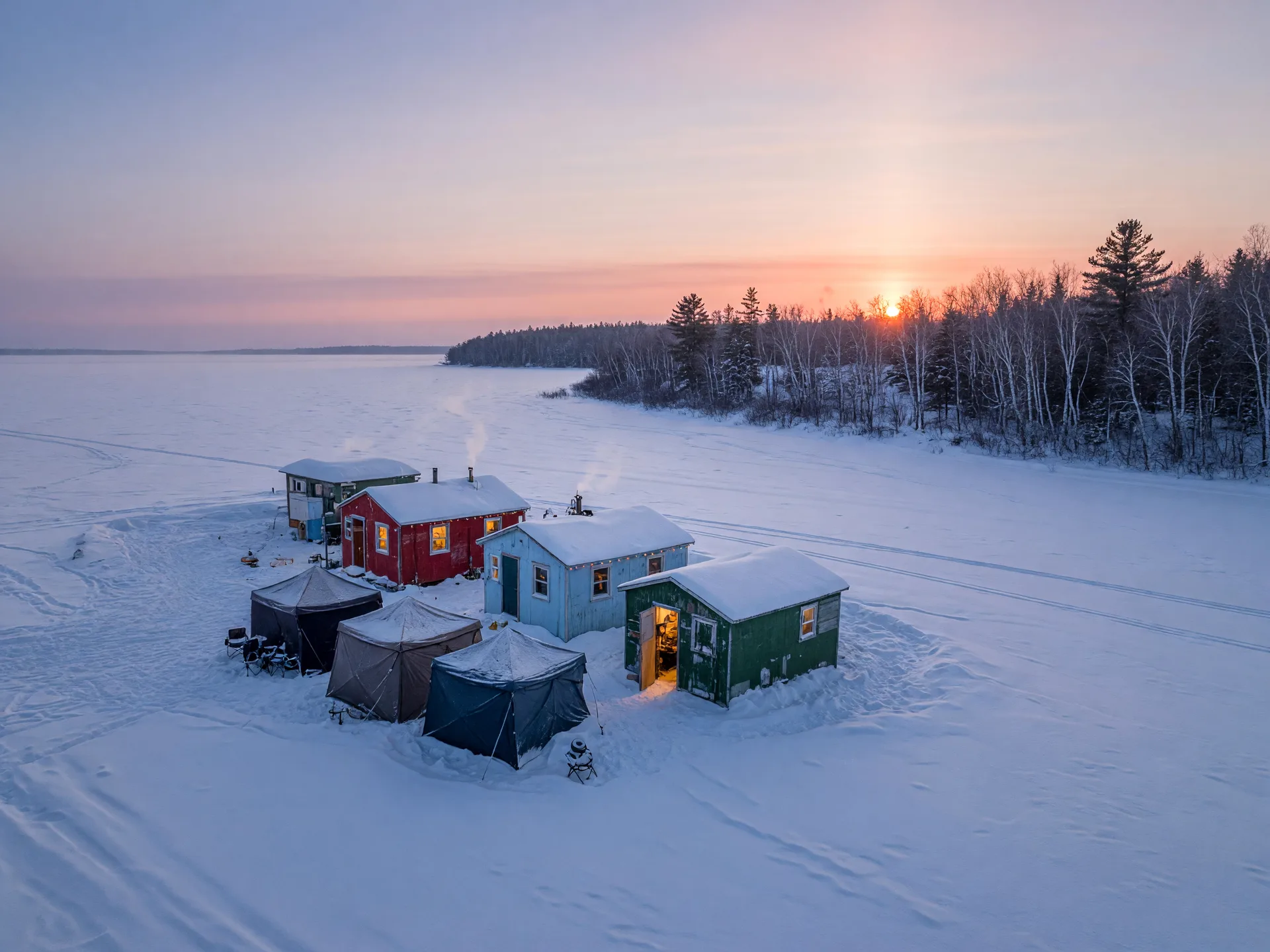
This property answers the mid-October checklist point for point: 123 feet of private sandy beach at level elevation with no stairs, a private dock and generous swim beach, 3.33 acres of mature grounds, a 30x60 shop with roughly 1,800 square feet, and four-season systems including a newer roof, tankless water heater, generator wiring, and a compliant septic, with no HOA. In a dry year the level frontage keeps working, and in a market that favors move-in-ready waterfront, this listing is ready to live in on day one, with the winter calendar already set: ice fishing right off the beach once the lake locks up.
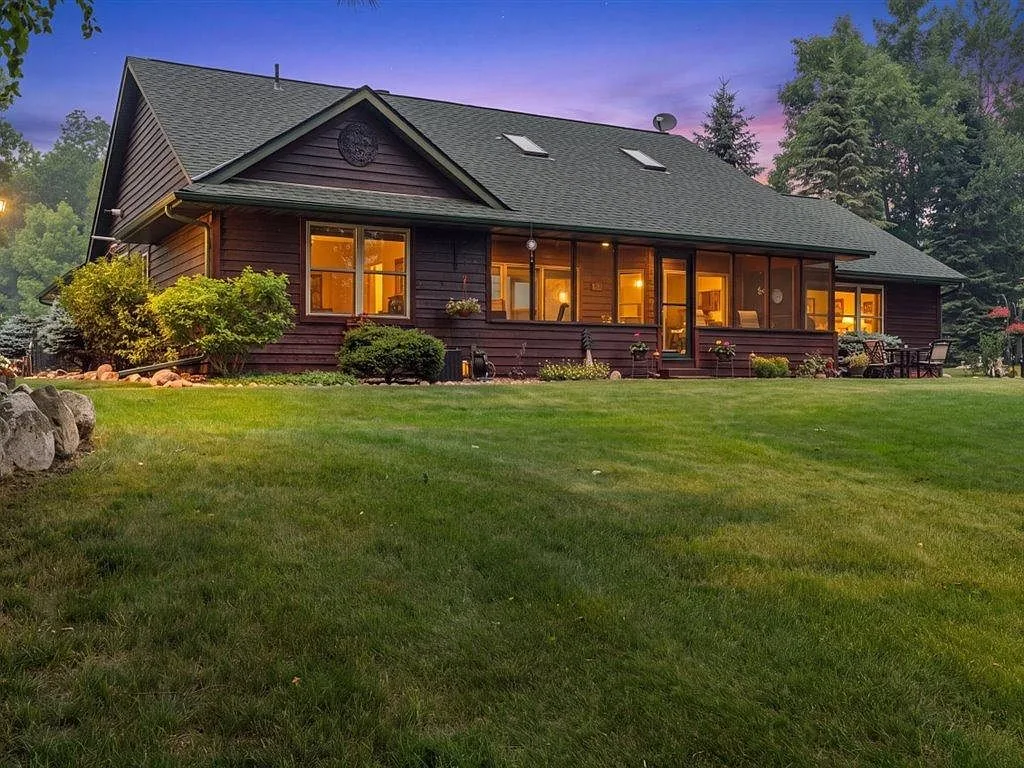
Noah will meet you at the property, walk the shoreline with you, and point you to the current DNR and Drought Monitor data for Mitchell Lake so you can verify conditions for yourself. October is the month to see it, and this is the week.
For current regional context, start with NOAA's 2026-27 winter outlook, the U.S. Drought Monitor for Minnesota, the Minnesota DNR State Climatology Office's drought page, LakePlace's Crow Wing County lake listings, Redfin's Crow Wing County market data, and the DNR's ice-in data.