Buying
Why Fall Is the Smart Season to Buy a Minnesota Lake Home
Noah Goedker · September 21, 2026
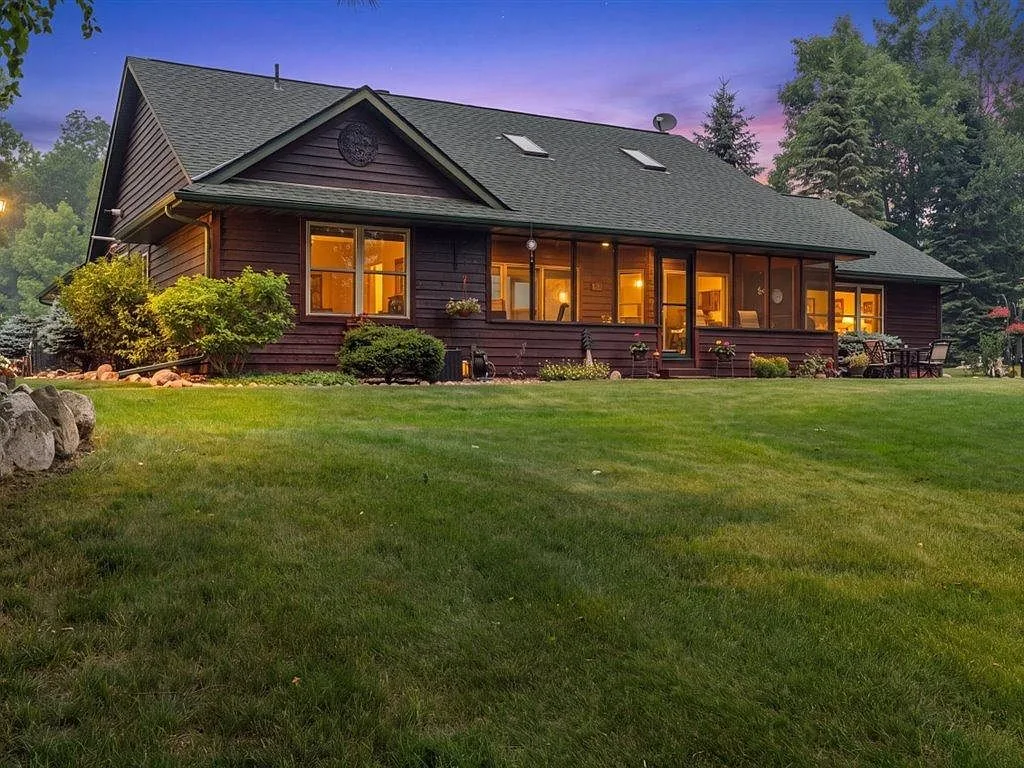
Every lake-home shopper dreams of a July tour, but the smart money moves in September, October, and November. Fall and winter typically bring the lowest Minnesota lake home prices and the least competition, while a low-water shoreline walk shows you exactly what you are buying at the true waterline. Here is the current-market case for shopping now, and what to check while you are out.
The off-season is the value season
Minnesota lakefront real estate is expensive by any measure, and it keeps setting records: the statewide median lakefront-home price hit an all-time high of $550,000 in April 2025, up 8 percent year over year and carrying roughly a $200,000 premium over the statewide median, per industry reporting. Yet the same reporting shows buyers gain leverage in the fall. Inventory is up across northern cabin markets, with elevated listing counts on lakes like Leech Lake in August 2026, and the statewide median home sold in about 37 days in May 2026, a calmer pace than the post-2020 rush.
Sellers who list a lake home in the fall are usually motivated to close before carrying it through a Minnesota winter, which means realistic pricing and room to negotiate. Fewer buyers are touring, so the ones who do get time, attention, and honest answers. The spring rush brings the crowds; the fall brings the leverage.
What a fall tour shows you that July cannot
North-central Minnesota is deep in a multi-year "storage drought," per the Minnesota DNR: the region has run 12 to 16 inches below normal precipitation over the past four years, and isolated lakes are running 2 to 4 feet below normal. The U.S. Army Corps of Engineers measured Gull Lake at 1,193.66 feet in mid-August, about 4 inches below its 1,194-foot summer target, with the dam holding its minimum 20 cubic feet per second release since July 11.
For buyers, low water is information. A shoreline walk in late September shows you exactly where the beach ends, how far a dock has to reach, and whether the lot still works at a hard waterline. Look at the water's edge, not just the view: the depth of the sand, the dock and lift setup, and whether there is room to beach a boat. A property with level elevation and a sandy beach, like 16138 Zigmund Dr, keeps its usability even when the lake runs low, which is one reason level frontage holds its value in dry years.
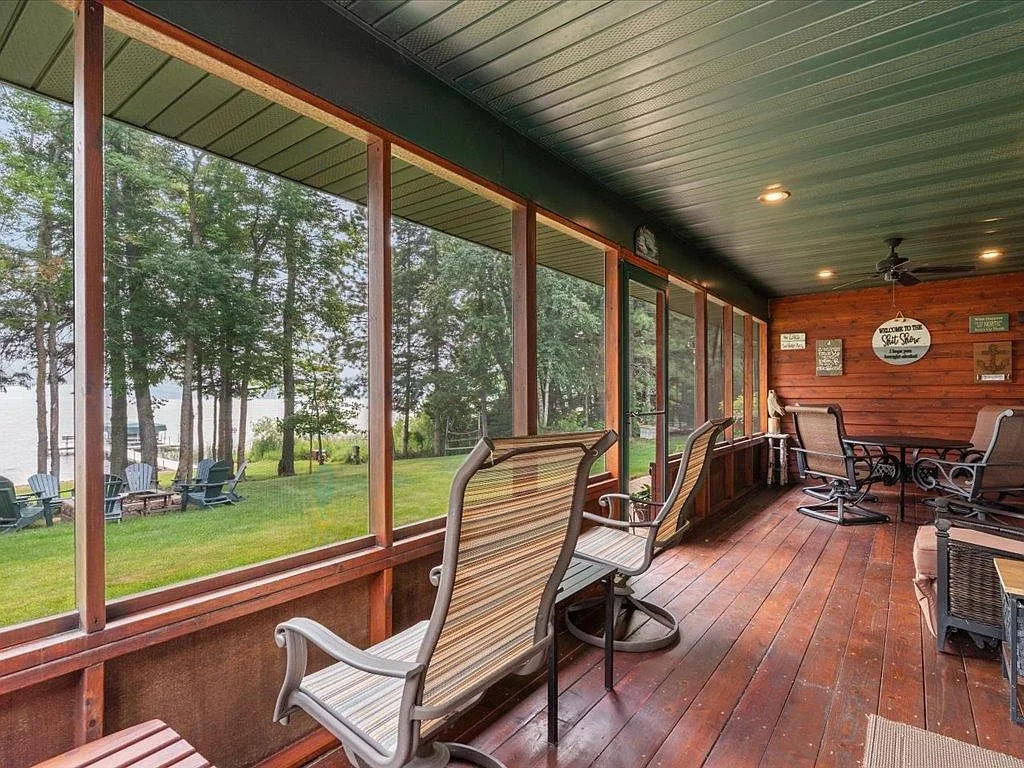
The color is a bonus
The Minnesota DNR's fall color forecast, launched the week of September 9, calls for peak color from late September into mid-October across the state's north-central lakes region, with the Brainerd Lakes area typically at its best in the first half of October. That puts the region's most photogenic weeks right inside the touring season, and a lakeside screened porch is built for exactly that window. Drought near St. Cloud and recent northern fires may mute some colors, but the season should still be colorful.
Before freeze-up: the dock and the ice
NOAA's Climate Prediction Center advisory of September 10, 2026 keeps El Nino above 90 percent odds of a very strong event through fall and winter, with the weekly Nino 3.4 anomaly at about +2.9 degrees C in early September and near +3.0 by mid-month, a "super" El Nino expected to persist into spring 2027. NOAA's official December-February outlook, released August 20 and updated September 17, favors milder-than-normal temperatures across Minnesota with equal chances on precipitation. El Nino winters in Minnesota have historically run about 2.4 degrees warmer and about 24 percent less snowy, per the state DNR's Climatology Office, which leans the working expectation toward a later freeze-up. Minnesota's lake ice season has already shortened by roughly 10 to 14 days over the past 50 years, per the MPCA and DNR, and the record super El Nino winter of 2023-24 saw some state lakes freeze late in January.
For buyers that means a practical fall to-do list: check the specific lake's current level on the DNR or USGS gauge, plan dock and lift removal before freeze-up, and never trust a reported ice-in date, because early-season ice is unsafe even right after it forms. The DNR does not publish real-time ice-in dates or measure ice thickness, so verify conditions with local authorities before walking on any lake.
Tour in October and you see the honest waterline, the true fall light, and the property that carries its own weight through winter.
How 16138 Zigmund Dr fits the fall checklist
The fall checklist is a shoreline checklist, and 16138 Zigmund Dr answers each item: 123 feet of private sandy beach at level elevation with no stairs, so the waterline stays usable in dry years; a private dock and boat lift; a 30x60 shop with roughly 1,800 square feet for boats, sleds, and seasonal gear; and four-season systems including a newer roof, tankless water heater, generator wiring, and a compliant septic. No HOA, 3.33 acres, and five bedrooms round out a move-in-ready package built for the buyer who shops now and moves in before spring.
Want the honest fall view? Noah will meet you at the property, walk the shoreline with you at the true waterline, and point you to the current DNR data for Mitchell Lake so you can verify conditions yourself.
For the current regional picture, start with NOAA's September 10 El Nino status, the DNR's lake-level notice, MPR's shallow-water landing caution, the DNR Climatology Office's El Nino explainer, the MPCA-DNR lake ice season report, and the DNR's 2026 fall color forecast, and the CPC's December-February seasonal outlook.